




How Moissanite Is Made
Moissanite used in jewelry is created in laboratories using high-temperature processes that form silicon carbide crystals.
Step 1: Creating Silicon Carbide
The process starts with silicon and carbon, which are heated at extremely high temperatures until they form silicon carbide crystals.

Step 2: Crystal Growth
The silicon carbide is grown slowly in controlled conditions to form large, stable crystals suitable for cutting.

Step 3: Cutting the Crystal
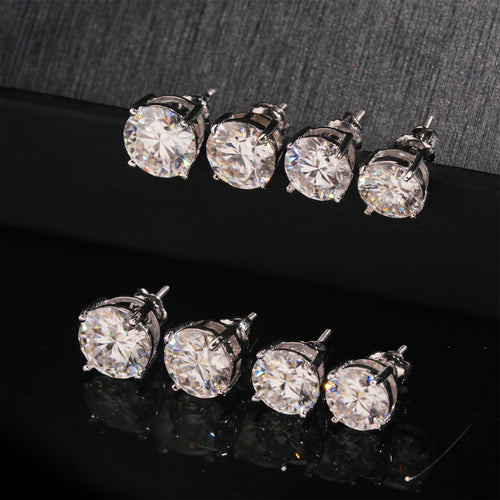
Once the crystal is formed, it is cut into gemstones using precision tools. The cut determines how much the stone will sparkle.

Step 4: Polishing
The gemstone is polished to achieve maximum brilliance and clarity.

Why Moissanite Is Lab-Created
Natural moissanite is extremely rare. Laboratory creation allows:
- Consistent quality
- Availability for jewelry
- Controlled color and clarity
- Ethical production
Is Lab Moissanite Real?
Yes. Lab-created moissanite is chemically real silicon carbide, not an imitation stone.
Why This Process Matters
The controlled creation process ensures:
- High durability
- Strong optical performance
- Consistent appearance
You may also like:
FAQ
Is moissanite naturally found?
Yes, but extremely rarely.
Is lab moissanite fake?
No, it is real silicon carbide.
Why is moissanite made in labs?
Because natural formation is extremely rare.


