




Moissanite Quality Explained
Moissanite quality is determined by four main factors: cut, color, clarity, and size. These factors define how the stone looks, how much it sparkles, and how closely it resembles a diamond.

Cut (Most Important Factor)
Cut determines how light reflects inside the stone.
- Excellent cut = maximum brilliance and sparkle
- Poor cut = dull or uneven appearance
Cut has the biggest impact on visual quality.
Color
Moissanite comes in different color grades.
- Colorless (best, diamond-like appearance)
- Near-colorless (slight warm tone)
- Light color tint (lower grade)
Most buyers prefer colorless or near-colorless stones.

Clarity
Moissanite is typically eye-clean.
- High quality = no visible inclusions
- Lower quality = slight imperfections (rarely visible)
Clarity is less important than cut and color.
Size
Moissanite size is measured in millimeters, not carats.
- Larger size = more visible presence
- Cut still matters more than size
A poorly cut large stone can look worse than a smaller well-cut one.
Why Moissanite Sparkles So Much
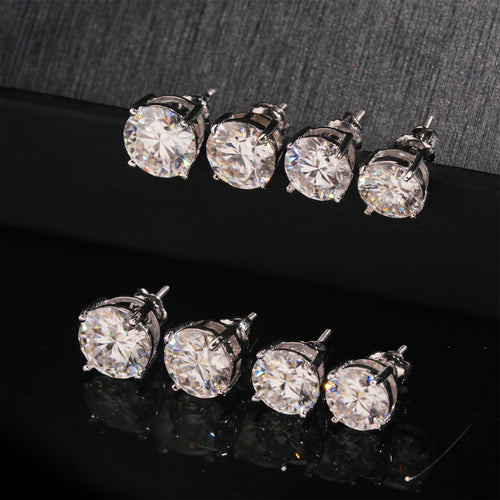
Moissanite has a high refractive index, which means it reflects more light than most gemstones.
This creates:
- Strong brilliance (white light reflection)
- Fire (rainbow sparkle effect)

What “High Quality Moissanite” Means
High-quality moissanite is:
- Well-cut
- Colorless or near-colorless
- Eye-clean
- Properly proportioned

Common Mistakes
- Bigger is not always better
- Color matters more than size
- Cut affects sparkle more than anything else
Internal Links
- Moissanite vs Diamond
- Guide to Moissanite Tennis Necklaces
- Moissanite Care Guide
- Moissanite Size Chart
FAQ
Does moissanite lose quality over time?
No. It remains stable and does not degrade.
What is the best moissanite quality?
Colorless, excellent cut, eye-clean stone.
Can you see difference in quality?
Yes, mainly in sparkle and color tone.


