



-

A Resource We Share
Freshwater sustains the landscapes we love, the communities we belong to and the generations who follow.
-

Grown, Not Gemstone-Mined
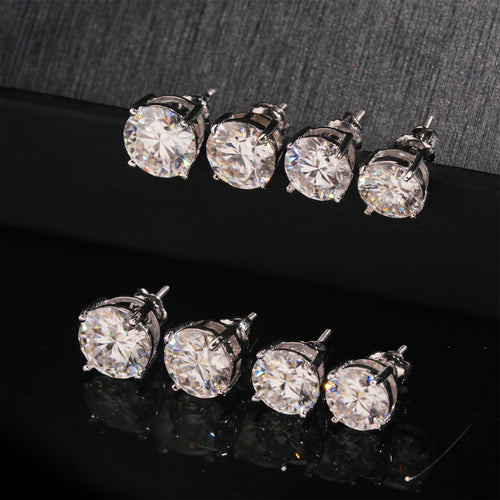
Our moissanite is grown in a laboratory, without extracting the gemstone itself from the earth.
-

Beyond the Sparkle
A beautiful stone is only part of the story. The energy, materials and resources behind it deserve attention too.
-

Room to Do Better
For ANNXMEE, thoughtful choices begin with curiosity, honest information and a willingness to keep learning.
A Precious Resource. A Shared Future.
Water connects everyday life with the health of our planet. These global figures show why understanding its value matters far beyond the jewelry we wear.
(Sources: WHO/UNICEF Joint Monitoring Programme, 2025; UN-Water; UN World Water Development Report, 2019. These figures provide global context and do not measure ANNXMEE’s water footprint.)
-

People Without Safely Managed Drinking Water
In 2024, an estimated 2.1 billion people worldwide still lacked safely managed drinking water services.
-
Usable, Available Freshwater
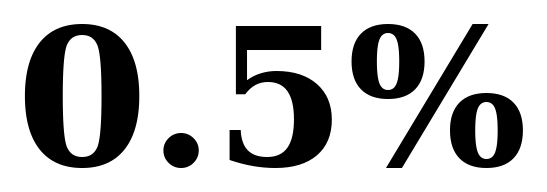
Only around 0.5% of all water on Earth is freshwater that is usable and available.
-

Projected Growth in Water Demand
The 2019 UN World Water Development Report projected global water demand to rise by 20–30% by 2050 from the level cited in that report.

UNDERSTANDING THE CONNECTION
The Story Begins Before the Sparkle
Before a mined gemstone is cut and polished, its journey can involve water used in extraction, washing, mineral separation and dust control.
That relationship with water is shaped by the place itself: its climate, geology, local water supply and the way each operation manages and reuses resources.
Understanding these differences gives us a more meaningful picture of gemstone production than a single number ever could.
Every source has its own story. Water use should be understood in context, with clear information about what is being measured.

THE ANNXMEE APPROACH
A Different Beginning. Brilliance to Treasure.
ANNXMEE moissanite begins in a controlled laboratory environment. Its sparkle comes from a cultivated gemstone, without the need to excavate the moissanite itself from a natural deposit.
That different beginning is part of what draws us to lab-created moissanite - alongside its captivating fire, beauty and versatility in jewelry made for meaningful moments.
For us, appreciating a gemstone means looking at both the finished piece and the story behind its creation.
Laboratory production still requires energy and resources. Our choice describes the origin of our moissanite, rather than a claim of zero environmental impact.
Thoughtful Choices Begin with Understanding
Our principles connect a love of beautiful jewelry with respect for the resources behind it: understand the origin, consider the whole journey and communicate with care.
-

Know the Beginning
The origin of a gemstone matters. We clearly identify our moissanite as lab-created so you can understand what you are choosing.
-

Consider the Whole Journey
Growing a gemstone is one stage of making jewelry. Metals, cutting, polishing and finishing also belong in the conversation about resource use.
-

Make Every Claim Count
Meaningful environmental claims need meaningful evidence. Specific water-saving figures should be supported by relevant, clearly explained measurements.
YOUR QUESTIONS, ANSWERED
Moissanite, Water & More Informed Choices
Does creating moissanite require water?
Does creating moissanite require water?
Lab-created does not mean water-free. Water may be used at different stages of gemstone and jewelry production, including cooling, cutting, polishing and cleaning. The amount depends on the equipment, processes and facilities involved.
How much water does choosing ANNXMEE moissanite save?
How much water does choosing ANNXMEE moissanite save?
We do not currently provide a verified water-saving figure per stone or per order. A reliable comparison would require production-specific information and a consistent method covering the same stages for both gemstones. What we can clearly explain is that our moissanite is laboratory-grown rather than extracted as a gemstone from the earth.
How is water used in gemstone mining?
How is water used in gemstone mining?
Water can be involved in washing and separating material, controlling dust and supporting site operations. Its relationship with nearby rivers, groundwater and ecosystems depends on local conditions and how the operation manages water withdrawal, reuse and discharge.
Why do water-use estimates differ between mines?
Why do water-use estimates differ between mines?
Mining methods, geology, climate, water-recycling systems and the type of deposit all affect water requirements. Estimates can also measure different things - for example, total water withdrawn versus water consumed. These differences matter when comparing figures.
Does lab-created moissanite eliminate mining from the entire piece of jewelry?
Does lab-created moissanite eliminate mining from the entire piece of jewelry?
Our moissanite is grown in a laboratory, so the gemstone itself is not mined. That does not mean every material in the finished piece has the same origin. Metals and other manufacturing inputs have their own supply chains, which should be considered separately.
What makes a water-related jewelry claim trustworthy?
What makes a water-related jewelry claim trustworthy?
Look for a named source, a date and a clear explanation of what the figure covers. A useful comparison should identify the production stages measured and distinguish between water withdrawn, consumed and recycled. Product-specific evidence is more informative than an unexplained claim that applies one figure to every gemstone.

-

Complimentary Shipping
Delivered Worldwide
-

Simple Returns
An Easy Return Process
-

Two-Year Warranty
Coverage Included
-

Secure Checkout
Protected Payments
