




Is Moissanite Real or Fake?
Moissanite is real, but it is not a diamond. It is a genuine gemstone made from silicon carbide, originally discovered in nature and now created in laboratories for jewelry use.
Although moissanite is often mistaken for a diamond because of its similar appearance, it is not a “fake diamond” or imitation stone like cubic zirconia. Instead, it is a distinct gemstone with its own chemical structure, optical properties, and value.
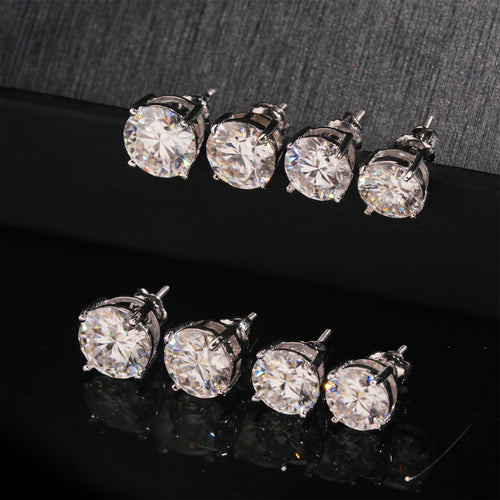
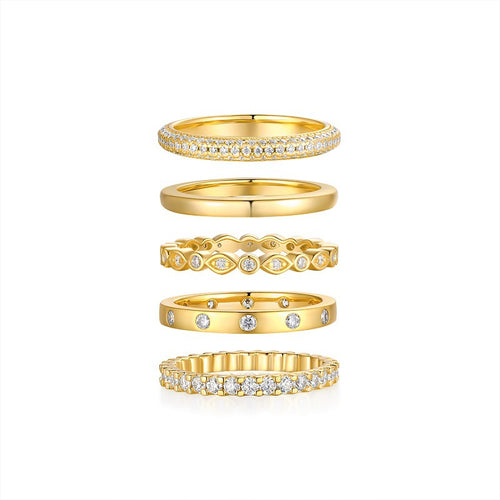
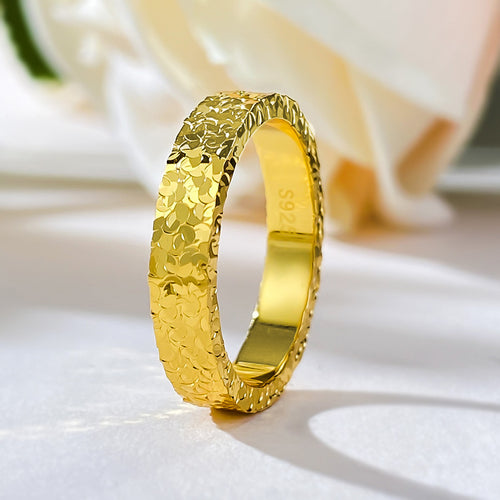
Moissanite is widely used in engagement rings and fine jewelry because it offers exceptional brilliance, durability, and affordability compared to natural diamonds.

What Is Moissanite Made Of?
Moissanite is made of silicon carbide (SiC), a rare mineral first discovered by scientist Henri Moissan in 1893.
Natural moissanite is extremely rare, so all jewelry-grade moissanite today is lab-created. This process ensures consistent quality, clarity, and ethical sourcing.
Unlike glass or cubic zirconia, moissanite has a crystalline structure that makes it extremely durable and suitable for everyday wear.

Is Moissanite a Diamond?
No, moissanite is not a diamond.
Diamonds are made of carbon and form naturally under extreme pressure over millions of years. Moissanite, on the other hand, is a different mineral with a completely different composition.
However, moissanite is designed to closely resemble diamonds in appearance, which is why it is often used as an alternative in engagement rings.

Why Do People Think Moissanite Is Fake?
Moissanite is sometimes called “fake” simply because it is not a natural diamond. However, this is misleading.
It is considered a real gemstone, not an imitation, because:
- It has its own chemical structure
- It is not trying to be glass or plastic imitation
- It has higher durability than many gemstones
The confusion comes from its diamond-like appearance, not its authenticity.

Moissanite vs Diamond
| Feature | Moissanite | Diamond |
|---|---|---|
| Composition | Silicon Carbide | Carbon |
| Origin | Lab-created | Natural or lab-grown |
| Sparkle | Strong rainbow fire | White brilliance |
| Hardness | 9.25 Mohs | 10 Mohs |
| Price | More affordable | Expensive |
| Resale Value | Lower | Higher |
Moissanite is often chosen for its affordability and brilliance, while diamonds are valued for tradition and rarity.
Can Moissanite Pass as a Diamond?
To the naked eye, moissanite can look very similar to a diamond, especially in normal lighting conditions.
However, trained jewelers and specialized testing tools can distinguish between the two stones.

Is Moissanite Considered a Real Gemstone?
Yes, moissanite is a real gemstone recognized in jewelry markets worldwide.
It is not glass, not plastic, and not a cheap imitation. It is a durable, crystalline gemstone used in fine jewelry, especially engagement rings.

FAQ
Is moissanite fake jewelry?
No, moissanite is a real lab-created gemstone.
Is moissanite a diamond simulant?
It is an alternative to diamond, but not a fake version.
Does moissanite last forever?
Yes, it is highly durable and suitable for lifelong wear.
Can moissanite be scratched?
It is very scratch-resistant (9.25 Mohs hardness).
Does moissanite lose its shine?
No, it maintains its brilliance over time.
Is moissanite worth buying?
Yes, especially for affordable engagement rings and luxury appearance.


