


What Is Moissanite and How Does It Differ From a Diamond?
Moissanite is a lab-created gemstone made from silicon carbide, while diamonds are formed from carbon under extreme pressure deep within the Earth. Although the two stones can look very similar at first glance, moissanite typically sparkles more, costs significantly less, and offers an ethical, conflict-free alternative to traditional diamonds.
For many buyers, the biggest question is whether moissanite looks real and if it can compare to a natural diamond in everyday wear. The answer depends on what matters most to you: brilliance, durability, price, long-term value, or tradition.
In this guide, we’ll explain what moissanite is, how it compares to diamonds, and whether it’s the right choice for engagement rings, fine jewelry, and everyday wear in 2026.

What Is Moissanite?
Moissanite is a gemstone made from silicon carbide, a naturally occurring mineral first discovered by French scientist Henri Moissan in 1893 while studying a meteor crater. Because natural moissanite is extremely rare, the stones used in modern jewelry are almost always created in laboratories.
Today’s moissanite is designed to closely resemble diamonds while offering several advantages, including stronger sparkle, lower cost, and ethical sourcing.
Unlike cubic zirconia (CZ), which is often considered a lower-cost imitation stone, moissanite is known for its durability, premium appearance, and ability to maintain brilliance over time.
Many people choose moissanite because it offers a luxury look without the high price tag commonly associated with natural diamonds.

Is Moissanite a Real Diamond?
No - moissanite is not a real diamond, but it is a genuine gemstone in its own category.
Diamonds are made of carbon, while moissanite is made from silicon carbide. Even though they are different stones, moissanite is intentionally designed to look visually similar to diamonds and is often chosen as an alternative for engagement rings and luxury jewelry.
In everyday wear, most people cannot immediately tell the difference between moissanite and diamond without seeing them side by side.
However, moissanite tends to produce stronger rainbow flashes of light, sometimes called “fire,” while diamonds typically have a more subtle and traditional sparkle.
For buyers looking for affordability, brilliance, and durability, moissanite is often considered one of the best alternatives to natural diamonds.

Moissanite vs Diamond: Key Differences
While moissanite and diamonds may appear similar, there are several important differences in composition, sparkle, price, durability, and long-term value.
| Feature | Moissanite | Diamond |
|---|---|---|
| Material | Silicon Carbide | Carbon |
| Sparkle | Stronger rainbow fire | More traditional brilliance |
| Hardness | 9.25 Mohs | 10 Mohs |
| Price | More affordable | Significantly more expensive |
| Ethics | Lab-created & conflict-free | Depends on sourcing |
| Durability | Excellent for daily wear | Excellent for daily wear |
| Resale Value | Lower | Higher |
For most buyers, the biggest deciding factors are appearance, budget, and lifestyle.
If you want maximum sparkle at a more affordable price, moissanite is often the better option. If you value tradition, rarity, and resale potential, a diamond may be the preferred choice.
Which Sparkles More: Moissanite or Diamond?
Moissanite generally sparkles more than a diamond because it has a higher refractive index, meaning it bends light more intensely.
This creates stronger rainbow flashes, often described as extra brilliance or “fire.” Some buyers love this eye-catching sparkle, while others prefer the softer, more classic shine of a traditional diamond.
In bright sunlight or direct lighting, moissanite may appear more colorful because of these rainbow reflections.
Whether this is considered better depends entirely on personal preference. Some people love the luxurious sparkle of moissanite, while others prefer the timeless appearance of a natural diamond.

Can Most People Tell the Difference Between Moissanite and Diamond?
In most everyday situations, the average person cannot easily tell the difference between moissanite and a diamond. When set in jewelry, especially in smaller sizes or normal lighting conditions, they appear very similar at first glance.
However, there are subtle visual differences. Moissanite tends to reflect more rainbow-colored light (often called “fire”), while diamonds usually produce a more neutral white sparkle. Under controlled lighting or side-by-side comparison, jewelers and experienced buyers may notice these differences more easily.
For casual wear, these differences are rarely obvious, which is why moissanite is widely used in engagement rings and fine jewelry.
Does Moissanite Pass a Diamond Tester?
Moissanite can sometimes pass basic diamond testers because some simple testers only measure thermal conductivity, which moissanite can closely mimic.
However, advanced diamond testers used by jewelers can distinguish between moissanite and real diamonds by analyzing both thermal and electrical conductivity.
This means:
-
Basic testers may show a positive result
-
Professional tools will correctly identify moissanite
This is one of the reasons moissanite is considered a separate gemstone rather than a diamond imitation.

Is Moissanite Durable Enough for Everyday Wear?
Yes, moissanite is extremely durable and suitable for daily wear, including engagement rings.
It has a hardness rating of 9.25 on the Mohs scale, making it one of the hardest gemstones used in jewelry, second only to diamonds.
This means:
-
It resists scratching in everyday use
-
It does not easily lose its shine
-
It performs well in rings, bracelets, and necklaces worn daily
For most lifestyles, moissanite is more than strong enough for long-term use.

Is Moissanite Good for Engagement Rings?
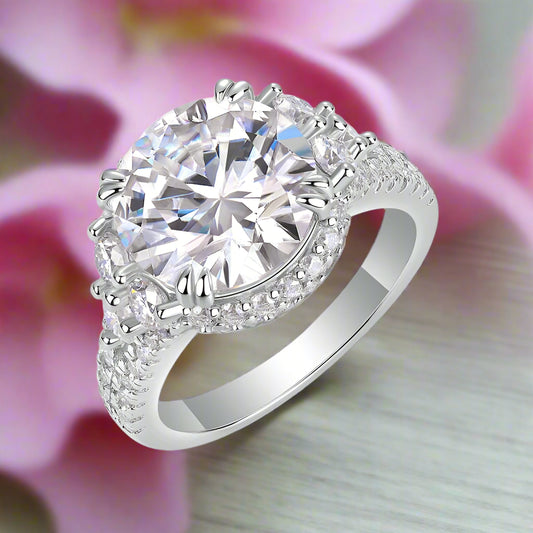
Moissanite is widely considered an excellent choice for engagement rings, especially for buyers who prioritize beauty, durability, and value.
It offers:
-
A diamond-like appearance
-
Strong brilliance and sparkle
-
High durability for daily wear
-
A significantly lower price point compared to diamonds
Many couples choose moissanite because it allows them to invest more into design and size rather than the stone itself.

Moissanite Pros and Cons
Pros:
-
More affordable than diamonds
-
Very high brilliance and sparkle
-
Durable for everyday wear
-
Ethically lab-created
-
Large visual appearance for lower cost
Cons:
-
Lower resale value than diamonds
-
Sparkle may appear “too fiery” for traditional taste
-
Not considered a natural diamond

Is Moissanite Worth Buying in 2026?
Moissanite remains one of the best alternatives to diamonds in 2026 for buyers who want luxury appearance without the high cost.
It is especially valuable for:
If resale value and tradition are not your main priorities, moissanite offers one of the best price-to-beauty ratios in modern jewelry.

Frequently Asked Questions (FAQ)
Is moissanite fake?
No. Moissanite is a real gemstone made from silicon carbide, not a fake diamond.
Can moissanite pass as a diamond?
In most casual situations, yes. However, experts and advanced tools can distinguish them.
Does moissanite lose its sparkle over time?
No. Moissanite maintains its brilliance and does not cloud or dull with normal wear.
Can moissanite be scratched?
It is very scratch-resistant with a 9.25 Mohs hardness, so it is suitable for everyday wear.
Does moissanite look fake?
High-quality moissanite looks very similar to diamonds, especially in smaller or medium sizes.
Can jewelers tell the difference?
Yes, experienced jewelers can usually distinguish moissanite using proper tools.
Is moissanite good for engagement rings?
Yes, it is one of the most popular diamond alternatives for engagement rings.
Can you wear moissanite every day?
Yes, it is designed for daily wear and long-term durability.
Does moissanite get cloudy?
No, moissanite does not naturally become cloudy over time.
Which is better: moissanite or diamond?
It depends on priorities: moissanite is better for price and sparkle, diamonds for tradition and resale value.